Losing multiple teeth can affect far more than appearance. Missing teeth often make it difficult to chew comfortably, speak clearly, and maintain confidence in social situations. For many years, traditional removable dentures were the primary solution for extensive tooth loss. While conventional dentures can restore function and aesthetics, they may also come with challenges such as slipping, discomfort, and reduced chewing ability.
At Medical Arts Dentistry in Savannah, GA, patients often seek information about modern tooth replacement options that provide greater stability and reliability. One of the most significant advancements in restorative dentistry is the development of implant-supported dentures. These restorations combine the benefits of dental implants with the convenience of dentures, creating a solution that feels more secure than traditional removable appliances.
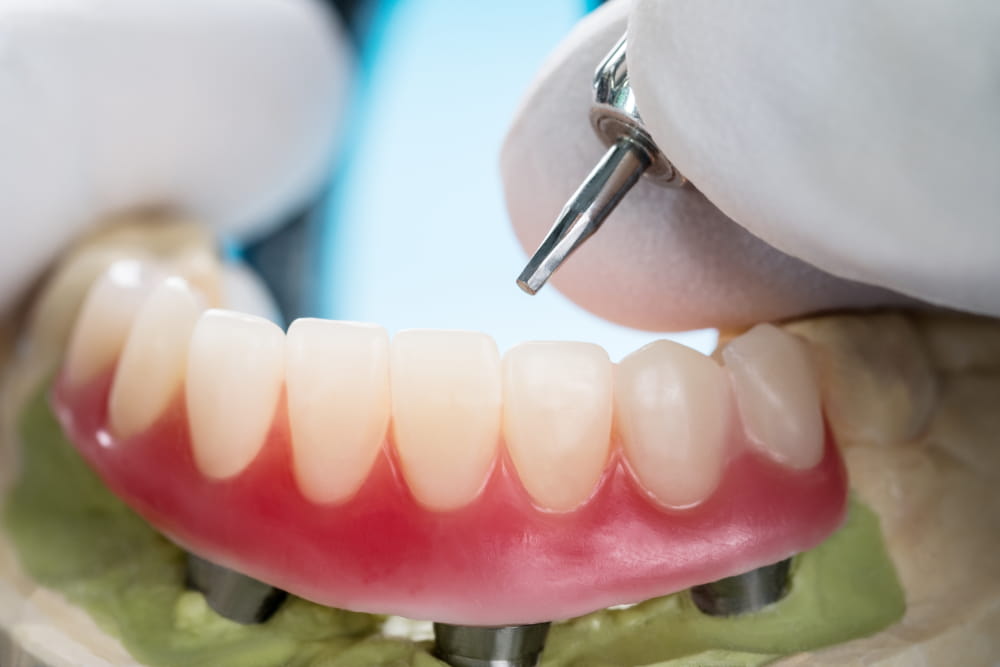
Unlike conventional dentures that rest on the gums, implant-supported dentures are anchored to dental implants placed within the jawbone. This connection creates a stronger foundation that helps prevent movement and improves overall function. For individuals seeking a long-term approach to tooth replacement, implant-supported dentures have become an increasingly popular option.
How Implant-Supported Dentures Work
The Role of Dental Implants
Dental implants are small titanium posts that are surgically placed into the jawbone. Over time, the implant integrates with the surrounding bone through a process called osseointegration. Once healing is complete, the implants act much like natural tooth roots, providing a stable anchor for replacement teeth.
When supporting a denture, several implants are strategically positioned throughout the upper or lower jaw. The denture then attaches to these implants using specialized connectors. Depending on the treatment plan, the denture may be removable by the patient or permanently secured by a dental professional.
This design offers significant advantages because the implants distribute chewing forces more evenly throughout the jaw. Rather than placing all pressure on the gums, the implants help support the bite and create a more natural feel during everyday activities.
Common Types of Implant-Supported Dentures
Patients may encounter several different implant-supported denture options, including:
- Snap-in dentures that attach securely to implants but can be removed for cleaning
- Fixed implant-supported dentures that remain permanently attached
- Full-arch restorations supported by multiple implants
- Hybrid prosthetics that combine features of traditional dentures and fixed bridges
The most appropriate option depends on factors such as bone health, oral anatomy, lifestyle preferences, and long-term treatment goals.
Benefits Beyond Traditional Dentures
One of the most appreciated benefits of implant-supported dentures is enhanced stability. Traditional dentures can shift while eating or speaking, especially as the jawbone changes over time. Implant support significantly reduces unwanted movement, allowing patients to enjoy a wider variety of foods with greater confidence.
Improved chewing efficiency can contribute to better nutrition. Many denture wearers limit certain foods because they are difficult to chew. Implant-supported dentures often restore a stronger bite force, making it easier to consume fruits, vegetables, lean proteins, and other nutritious foods that may otherwise be avoided.
Another important advantage is comfort. Because implants help secure the denture, there is often less rubbing and irritation against the gums. Many patients report a more natural sensation and greater confidence during conversations, meals, and social interactions.
For individuals exploring options related to Implant Restorations, implant-supported dentures represent a solution that combines stability, aesthetics, and functionality in a single treatment approach.
Protecting Jawbone Health Over Time
The Hidden Effects of Tooth Loss
When natural teeth are lost, the jawbone no longer receives stimulation from tooth roots. As a result, the bone gradually begins to shrink through a process known as resorption. Over time, this bone loss can change facial appearance, affect denture fit, and contribute to additional oral health concerns.
Traditional dentures do not prevent this process because they rest on the gums rather than stimulating the underlying bone. As bone volume decreases, denture adjustments and replacements may become necessary more frequently.
Dental implants help address this issue by transmitting chewing forces into the jawbone. This stimulation encourages the body to maintain bone density and volume. While some changes can still occur over time, implant-supported restorations generally provide better long-term support for jawbone health than conventional dentures.
Maintaining healthy gums is also important for implant success. Individuals with periodontal concerns may benefit from learning more about Periodontal & Gum Disease and the importance of ongoing preventive care.
Who May Be a Candidate?
Many adults who have lost multiple teeth may be candidates for implant-supported dentures. Ideal candidates generally have healthy gums, sufficient jawbone volume, and a commitment to maintaining good oral hygiene. However, even patients with some bone loss may qualify for treatment after additional procedures such as bone grafting.
A comprehensive dental evaluation typically includes a review of medical history, imaging studies, and an assessment of oral health. Factors such as smoking, uncontrolled diabetes, and certain medical conditions may influence treatment planning but do not automatically exclude someone from consideration.
Patients should also understand that implant-supported dentures require an investment of time. The process often includes implant placement, healing periods, and final restoration fabrication. While treatment may take several months, many individuals find the long-term benefits worthwhile.
Long-Term Care and Maintenance
Although implant-supported dentures are highly durable, proper maintenance remains essential. Daily cleaning helps reduce plaque buildup around implants and surrounding tissues. Regular dental examinations allow providers to monitor implant health and identify potential concerns before they become serious.
Professional cleanings, routine evaluations, and ongoing preventive care contribute significantly to long-term success. Patients should follow their provider’s recommendations regarding oral hygiene techniques, cleaning tools, and maintenance schedules.
For individuals experiencing dental emergencies involving implants or dentures, timely evaluation can help protect both oral health and restoration longevity. Learning about Emergency Dentistry can help patients understand when prompt care may be necessary.
A Stronger Foundation for Confidence
Tooth loss can affect nearly every aspect of daily life, from eating favorite foods to feeling comfortable in social situations. Implant-supported dentures offer a modern solution that provides greater stability, improved function, and enhanced confidence compared to traditional removable dentures. By securing replacement teeth directly to dental implants, patients can often enjoy a more natural experience and better long-term oral health outcomes.
Medical Arts Dentistry encourages patients in Savannah, GA, to stay informed about the latest advancements in tooth replacement options. Understanding the benefits and considerations associated with implant-supported dentures can help individuals make educated decisions about restoring their smiles, preserving oral function, and improving overall quality of life.
Resources
Feine, J. S., Carlsson, G. E., Awad, M. A., Chehade, A., Duncan, W. J., Gizani, S., Head, T., Lund, J. P., MacEntee, M., Mericske-Stern, R., Mojon, P., Morais, J., Naert, I., Payne, A. G., Penrod, J., Stoker, G. T., Tawse-Smith, A., Taylor, T. D., Thomason, J. M., & Wismeijer, D. (2002). The McGill Consensus Statement on Overdentures. International Journal of Prosthodontics.
Misch, C. E. (2008). Contemporary Implant Dentistry. Mosby Elsevier.
Thomason, J. M., Kelly, S. A., Bendkowski, A., & Ellis, J. S. (2012). Two Implant Retained Overdentures—A Review of the Literature Supporting the McGill and York Consensus Statements. Journal of Dentistry.