Understanding Dental Sealants and How They Work
Dental sealants are thin, protective coatings applied to the chewing surfaces of the back teeth, where most cavities tend to develop. These molars and premolars contain deep grooves and pits that easily trap food particles and bacteria. Even with diligent brushing and flossing, it can be difficult to thoroughly clean these areas. Sealants act as a barrier, sealing off these vulnerable grooves and preventing plaque and acids from settling in and causing decay.
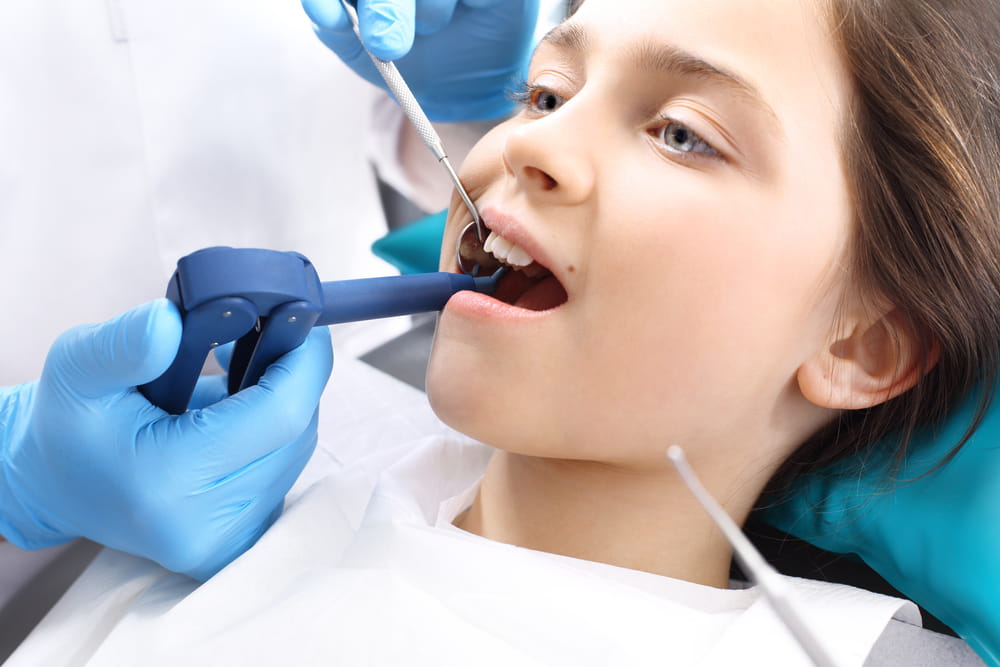
The application process is quick, painless, and noninvasive. A dental professional cleans the tooth, prepares the surface with a gentle solution, and then paints the sealant material directly onto the enamel. A special curing light hardens the material, creating a smooth shield over the tooth. Once in place, sealants can last several years with proper care, significantly lowering the risk of cavities during that time.
Who Can Benefit from Dental Sealants?
Although sealants are most commonly associated with children, they can benefit patients of various ages. Children and teenagers are ideal candidates because their newly erupted permanent molars are especially susceptible to decay. Applying sealants soon after these teeth come in—typically around ages 6 and 12—provides early protection during the cavity-prone years.
Adults without fillings or decay in their molars may also consider sealants as a preventive option. Individuals who have deep grooves in their teeth or a history of cavities may find additional protection helpful. Sealants are often part of a broader preventive plan that includes routine cleanings, fluoride treatments, and consistent at-home oral hygiene. In a comprehensive setting like Medical Arts Dentistry in Savannah, GA, preventive strategies are often emphasized as part of long-term oral health planning.
The Benefits of Choosing Sealants
Dental sealants offer multiple advantages beyond simply reducing cavities. Their preventive nature makes them both practical and cost-effective compared to treating decay after it develops. By avoiding cavities, patients may also reduce the need for fillings, crowns, or more extensive procedures later in life.
Key benefits include:
- Reduced risk of cavities in molars and premolars
- Quick and comfortable application process
- Long-lasting protection with proper maintenance
- Support for overall preventive dental care
Sealants also support other aspects of oral health. For example, preventing decay helps reduce the likelihood of gum inflammation associated with untreated cavities, complementing efforts related to periodontal & gum disease care. Preventive treatments align closely with family dentistry goals, where maintaining healthy smiles for patients of all ages is a priority.
How Sealants Fit into Overall Oral Health
Dental sealants are most effective when combined with strong daily habits. Brushing twice a day with fluoride toothpaste, flossing daily, and maintaining regular dental checkups remain essential. Sealants protect specific areas of the teeth, but they do not replace good oral hygiene practices. Patients should continue to care for their teeth consistently, even after sealants are applied.
In addition, overall oral health may intersect with other concerns such as TMJ & orofacial pain or emergency dentistry needs. Preventive measures like sealants help reduce the risk of sudden toothaches caused by cavities, potentially lowering the chance of unexpected dental emergencies. A well-rounded preventive plan supports not only cavity prevention but also long-term comfort and function.
Are Dental Sealants Right for You?
Determining whether sealants are appropriate depends on factors such as age, cavity history, and the condition of the molars. A dental evaluation can assess the depth of grooves, current oral hygiene habits, and overall risk for tooth decay. For children, sealants are often strongly recommended. For adults, the decision may depend on individual risk factors and existing dental work.
Patients in Savannah, GA who are exploring preventive options often seek guidance from experienced teams like the multiple providers at Medical Arts Dentistry. Understanding the role of dental sealants empowers individuals to make informed decisions about protecting their smiles. By combining preventive treatments with consistent at-home care and routine visits, patients can significantly reduce the risk of cavities and maintain healthier teeth for years to come.
Resources
Centers for Disease Control and Prevention. (2023). Dental Sealants Prevent Cavities. U.S. Department of Health & Human Services.
American Dental Association. (2022). Dental Sealants. Journal of the American Dental Association.
Wright, J. T., et al. (2016). Evidence-Based Clinical Practice Guideline for the Use of Pit-and-Fissure Sealants. Journal of the American Dental Association.