Quality sleep plays a critical role in physical health, mental well-being, and daily performance. When breathing becomes interrupted during sleep, the body is forced to repeatedly wake itself to restore normal airflow. These interruptions may be brief enough that a person does not remember them, but they can occur dozens or even hundreds of times throughout the night. Over time, disrupted sleep can contribute to daytime fatigue, difficulty concentrating, mood changes, and a higher risk of chronic health conditions.
At Medical Arts Dentistry in Savannah, GA, patient education is an important part of understanding how oral health and sleep health often overlap. One of the most common sleep-related conditions affecting adults is obstructive sleep apnea (OSA), a disorder that causes the airway to become partially or completely blocked during sleep. Snoring is another common concern that may indicate airflow restriction and should not always be dismissed as a harmless annoyance.
Many individuals who struggle with sleep apnea or chronic snoring are unaware that oral appliance therapy may provide an effective, non-invasive treatment option. Understanding how these devices work can help patients explore solutions that improve sleep quality and overall health.
What Causes Obstructive Sleep Apnea and Snoring?
Obstructive sleep apnea occurs when the muscles and tissues in the throat relax during sleep, causing the airway to narrow or collapse. As airflow becomes restricted, oxygen levels may decrease and the brain briefly awakens the body to reopen the airway. These repeated interruptions can prevent restorative sleep even when a person appears to be sleeping through the night.
Snoring often develops for similar reasons. When air passes through a narrowed airway, surrounding tissues vibrate and create the familiar snoring sound. While not everyone who snores has sleep apnea, loud and persistent snoring can be a warning sign that breathing is being compromised during sleep.
Several factors can increase the risk of OSA and snoring, including:
- Excess body weight
- Aging-related muscle changes
- Family history of sleep apnea
- Enlarged tonsils or airway structures
- Sleeping on the back
- Alcohol consumption before bedtime
- Nasal congestion or chronic sinus issues
Because symptoms often occur while sleeping, many people learn about their condition from a spouse or family member who notices loud snoring, gasping, or pauses in breathing.
How Oral Appliances Work During Sleep
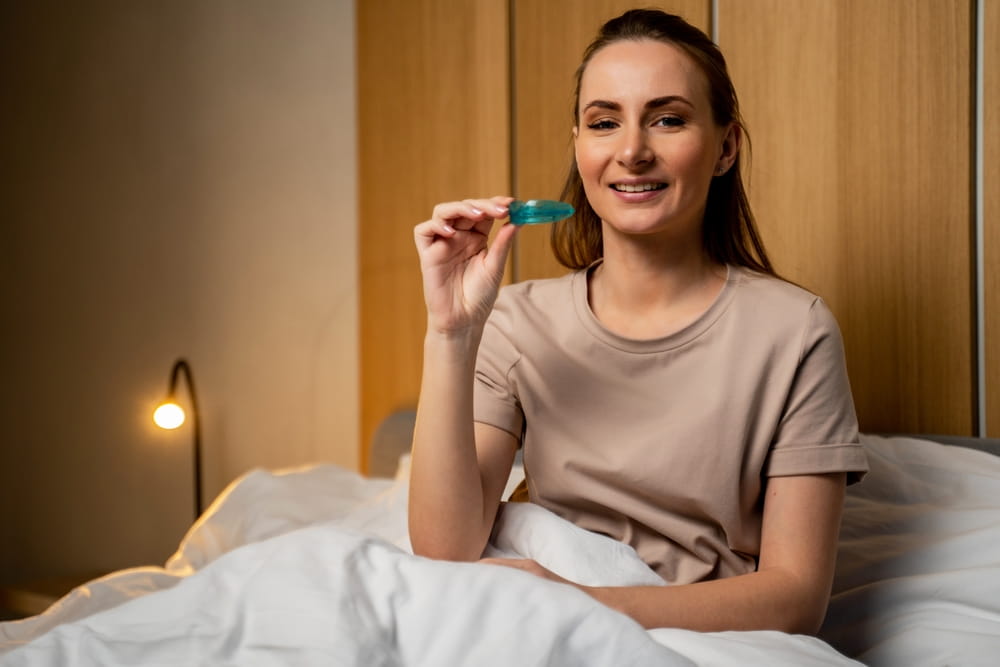
Oral appliance therapy uses a custom-fitted device that resembles a sports mouthguard or orthodontic retainer. The appliance is worn while sleeping and is designed to gently reposition the jaw and tongue to help maintain an open airway throughout the night.
By moving the lower jaw slightly forward, the appliance creates additional space behind the tongue and soft tissues of the throat. This positioning helps reduce airway collapse and improves airflow during sleep. As a result, many patients experience fewer breathing interruptions and reduced snoring.
Unlike some treatment options that involve masks, hoses, or external equipment, oral appliances are compact, portable, and easy to travel with. Their simplicity often contributes to higher long-term compliance among patients who struggle with other therapies.
Benefits of Oral Appliance Therapy
One of the primary advantages of oral appliance therapy is comfort. Many individuals find the device easy to wear after a brief adjustment period, making it easier to maintain consistent treatment. Consistent use is essential because untreated sleep apnea can continue to affect overall health even when symptoms seem manageable.
Improved airflow during sleep can lead to noticeable benefits in daily life. Many people report waking up feeling more refreshed, experiencing fewer headaches, and having greater energy throughout the day. Better sleep quality may also support improved concentration, memory, and productivity.
Long-term treatment of sleep apnea may contribute to better cardiovascular health as well. Research has shown that untreated OSA can increase the risk of high blood pressure, heart disease, stroke, and other serious health concerns. Managing the condition effectively can help reduce these risks while improving overall quality of life.
Who May Be a Candidate for an Oral Appliance?
Oral appliances are often recommended for individuals with mild to moderate obstructive sleep apnea or those who cannot comfortably tolerate continuous positive airway pressure (CPAP) therapy. Some patients prefer an oral appliance because it is less cumbersome and easier to integrate into their nightly routine.
A comprehensive evaluation is typically necessary to determine whether oral appliance therapy is appropriate. This process may involve a sleep study, review of symptoms, and assessment of oral and airway anatomy. Every patient has unique needs, and treatment recommendations should be based on a thorough understanding of the individual’s condition.
People who suffer from chronic snoring without significant sleep apnea may also benefit from an oral appliance. By helping maintain an open airway, these devices can reduce tissue vibration and decrease snoring intensity, leading to more restful sleep for both the individual and their sleeping partner.
Supporting Better Sleep Through Comprehensive Care
Sleep health affects nearly every aspect of overall wellness. When breathing interruptions repeatedly disrupt sleep, the consequences can extend far beyond feeling tired the next day. Addressing snoring and sleep apnea early can help improve daily functioning, reduce health risks, and enhance long-term quality of life.
Patients seeking to learn more about sleep-related conditions can benefit from educational resources and discussions with qualified healthcare professionals. Understanding available treatment options, including Sleep Medicine, can help individuals make informed decisions about their health. Maintaining good oral health through regular Family Dentistry visits and addressing related concerns such as TMJ & Orofacial Pain may also contribute to overall comfort and wellness.
Medical Arts Dentistry encourages patients in Savannah, GA, to stay informed about the connection between sleep and health. By recognizing the signs of sleep apnea and exploring evidence-based treatment options such as oral appliances, individuals can take meaningful steps toward achieving more restful sleep and a healthier future.
Resources
Sutherland, K., & Cistulli, P. A. (2019). Oral Appliance Therapy for Obstructive Sleep Apnea: State of the Art. Journal of Clinical Medicine.
Ramar, K., Dort, L. C., Katz, S. G., et al. (2015). Clinical Practice Guideline for the Treatment of Obstructive Sleep Apnea and Snoring with Oral Appliance Therapy. Journal of Clinical Sleep Medicine.
Patel, S. R. (2019). Obstructive Sleep Apnea. Annals of Internal Medicine.