
Losing a single tooth can affect more than just the appearance of your smile. A missing tooth may impact chewing ability, speech, bite alignment, and even long-term oral health. Fortunately, modern dentistry offers several reliable solutions for replacing a missing tooth, with single tooth implants and dental bridges being two of the most commonly recommended options.
At Medical Arts Dentistry in Savannah, GA, patient education is an important part of helping individuals understand available treatment options. While both implants and bridges are designed to restore function and appearance, they work in very different ways and offer unique advantages depending on a patient’s oral health, goals, and circumstances.
Understanding the differences between these treatments can help patients have more informed discussions with their dental professionals when considering how to replace a missing tooth.
What Is a Single Tooth Implant?
A single tooth implant is a replacement tooth supported by a small titanium post that is surgically placed into the jawbone. The implant functions as an artificial tooth root and supports a custom-made crown that closely resembles a natural tooth.
One of the most significant advantages of a dental implant is that it replaces both the visible portion of the tooth and the root beneath the gumline. This helps stimulate the jawbone and maintain bone density in the area where the tooth was lost. Without a tooth root, the bone can gradually shrink over time, potentially affecting facial structure and neighboring teeth.
Because the implant stands independently, it does not rely on adjacent teeth for support. This allows surrounding healthy teeth to remain untouched while still restoring normal function and aesthetics.
What Is a Dental Bridge?
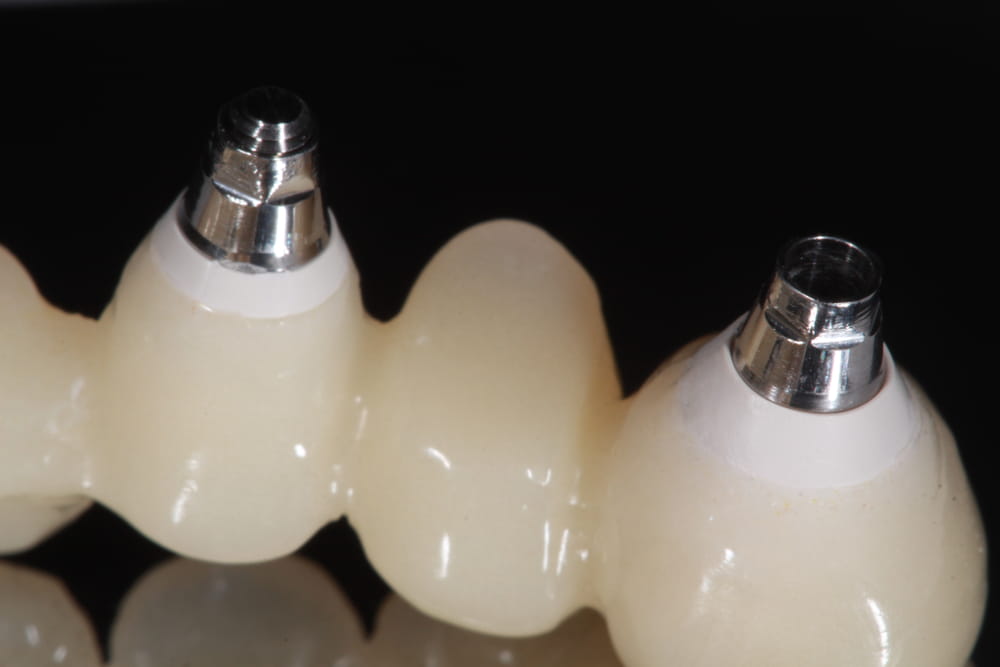
A dental bridge is a restoration that replaces a missing tooth by attaching an artificial tooth, known as a pontic, to neighboring teeth on either side of the gap. The supporting teeth are typically fitted with crowns that anchor the bridge securely in place.
Bridges have been used successfully for decades and remain a common treatment option for many patients. They can effectively restore chewing ability, improve speech, and prevent neighboring teeth from shifting into the empty space.
Unlike implants, however, bridges do not replace the missing tooth root. While the visible gap is restored, the underlying jawbone does not receive stimulation in the same way it would with an implant. As a result, bone loss may continue in the area beneath the missing tooth over time.
Comparing Function and Stability
Both implants and bridges are designed to restore normal oral function, but they achieve stability through different methods. An implant becomes integrated with the jawbone through a biological process called osseointegration, creating a secure foundation that closely mimics a natural tooth root.
Many patients appreciate that implants feel very similar to natural teeth once healing is complete. Because the restoration is anchored directly within the bone, there is often little movement during chewing or speaking.
Dental bridges can also provide excellent stability when properly designed and maintained. However, because they rely on neighboring teeth for support, their long-term success is partly dependent on the health of those adjacent teeth. If one of the supporting teeth develops decay or other complications, the bridge may eventually require repair or replacement.
Impact on Neighboring Teeth
One of the most important distinctions between implants and bridges involves the treatment of adjacent teeth. To place a traditional dental bridge, the supporting teeth are typically reshaped to accommodate crowns. This process requires the removal of some healthy tooth structure.
For patients with otherwise healthy neighboring teeth, preserving natural tooth structure may be an important consideration. Since a single tooth implant stands on its own, no modification of adjacent teeth is necessary.
Preserving healthy teeth whenever possible is often beneficial from a long-term oral health perspective. However, every patient’s situation is different, and there may be cases where a bridge is still an appropriate choice based on existing dental conditions.
Long-Term Maintenance and Longevity
Good oral hygiene is essential regardless of which restoration is chosen. Both implants and bridges require regular brushing, flossing, and professional dental care to remain healthy and functional.
Dental implants have demonstrated excellent long-term success rates when properly maintained. Because the implant functions independently, it can often last many years or even decades with appropriate care. The crown attached to the implant may eventually require replacement due to normal wear.
Dental bridges can also provide long-lasting results. However, they may require replacement over time as supporting teeth age or restorations experience wear. Maintaining excellent gum health through routine care and monitoring for signs of decay around the supporting teeth is particularly important for bridge longevity.
Choosing the Right Solution for Your Needs
The best tooth replacement option depends on multiple factors, including overall oral health, bone quality, budget, treatment timeline, and personal preferences. Some patients may be ideal candidates for implant treatment, while others may benefit more from a bridge based on their individual circumstances.
Patients interested in learning more about tooth replacement can explore resources related to Implant Restorations and other restorative treatments. Maintaining healthy gums through proper care and addressing concerns such as Periodontal & Gum Disease are also important components of long-term success for any restorative treatment.
Medical Arts Dentistry encourages patients in Savannah, GA, to learn about the benefits and limitations of both implants and bridges. By understanding how these treatments differ, individuals can make informed decisions that support their oral health, comfort, and confidence for years to come.
Resources
Pjetursson, B. E., Asgeirsson, A. G., Zwahlen, M., & Sailer, I. (2018). Improvements in Implant Dentistry Over the Last Decade. Clinical Oral Implants Research.
Salinas, T. J., & Eckert, S. E. (2007). In Patients Requiring Single-Tooth Replacement, What Are the Outcomes of Implant- as Compared to Tooth-Supported Restorations? International Journal of Oral & Maxillofacial Implants.
Goodacre, C. J., Bernal, G., Rungcharassaeng, K., & Kan, J. Y. K. (2003). Clinical Complications with Implants and Implant Prostheses. Journal of Prosthetic Dentistry.