Dental implants have become an increasingly popular solution for replacing missing teeth, offering a long-term and natural-looking alternative to traditional dentures or bridges. For patients in Savannah, GA, understanding whether you are a suitable candidate is crucial before considering this treatment. At Medical Arts Dentistry, multiple providers often encounter patients with questions about the prerequisites and overall suitability for dental implants. Implants are designed to integrate with the jawbone, providing stability for crowns, bridges, or dentures, but achieving successful outcomes depends on several personal health and anatomical factors.
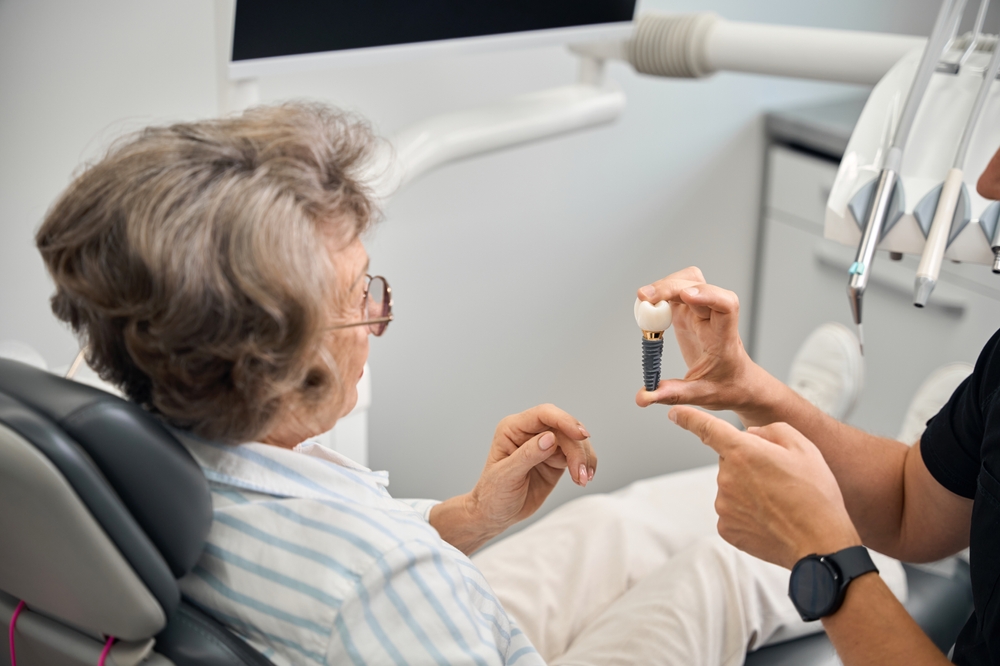
Dental implants are typically composed of titanium or titanium alloys, which are biocompatible and capable of fusing directly with bone in a process known as osseointegration. This fusion allows the implant to function like a natural tooth root. However, successful integration requires healthy bone structure and adequate healing potential, making pre-treatment evaluation essential. Patients considering dental implants must understand that while implants can restore both function and aesthetics, the procedure requires careful planning and adherence to certain health criteria to ensure long-term success.
Oral Health Requirements
Good oral health is one of the most important considerations when determining implant candidacy. Candidates should have healthy gums and be free of untreated gum disease, as infections in the oral tissues can compromise the healing process and the stability of the implant. Chronic conditions such as periodontitis can cause bone loss around the teeth, which may reduce the available support needed for an implant. Dental exams, X-rays, and sometimes 3D imaging are used to assess the bone quality and gum condition before proceeding with treatment.
Another oral health factor is the presence of sufficient bone density. Over time, missing teeth can lead to bone resorption, which may make it difficult to place an implant securely. Bone grafting procedures can often address this issue, but candidates must be evaluated to determine if their bone structure can support the procedure. Additionally, candidates should have a commitment to oral hygiene and regular dental checkups, as implants require long-term maintenance to prevent complications such as peri-implantitis, which is an infection around the implant site.
Overall Health Considerations
Systemic health conditions can significantly impact the success of dental implants. Conditions such as uncontrolled diabetes, autoimmune disorders, or cardiovascular disease may affect healing and increase the risk of implant failure. Patients who smoke or use tobacco products are also at a higher risk, as nicotine can reduce blood flow to the gums and impair bone healing. Therefore, a comprehensive review of a patient’s medical history is necessary to assess potential risks and determine whether modifications or pre-treatment interventions are needed.
Certain medications can also influence candidacy. Drugs that affect bone metabolism, such as bisphosphonates, may pose a risk for jawbone complications. Blood-thinning medications may also require special management to reduce surgical risks. Because of these factors, implant candidacy is not solely determined by oral health but also by an evaluation of overall physical health and lifestyle habits.
Lifestyle and Commitment Factors
Even if oral and systemic health are ideal, lifestyle and commitment to follow-up care are critical. Dental implants are not a quick fix; they require a multi-step process involving surgery, healing time, and regular monitoring. Candidates must be prepared for these steps and follow post-operative instructions closely to ensure proper healing and long-term stability.
Patients should also consider their ability to maintain consistent oral hygiene practices. Daily brushing, flossing, and professional dental cleanings are essential for implant longevity. Additionally, habits such as teeth grinding or excessive alcohol consumption can negatively impact implant success. Being a good candidate for dental implants often means being ready to actively participate in both the treatment and maintenance processes.
Key Takeaways for Potential Candidates
Understanding the key factors that influence dental implant success can help patients in Savannah, GA, make informed decisions. Candidates should consider:
- Oral health and bone density
- Overall physical health and medical history
- Lifestyle habits and commitment to oral care
By evaluating these factors, patients can better understand whether dental implants are a suitable option and what steps may be necessary to improve candidacy. Consulting with multiple providers can provide a comprehensive perspective on personal suitability for this type of dental treatment.
Dental implants offer a life-changing solution for many individuals with missing teeth, but successful outcomes rely on careful consideration of oral health, systemic health, and lifestyle factors. For residents of Savannah, GA, understanding these factors is essential before pursuing implant treatment. Medical Arts Dentistry provides a supportive environment to help patients gain clarity on whether they meet these key criteria.
Resources:
McCarthy, F. M., & Prasad, N. (2017). Dental Implantology: Principles and Practice. Journal of Oral Implantology.
Esposito, M., Grusovin, M. G., & Worthington, H. V. (2012). Interventions for Replacing Missing Teeth: Dental Implants. Cochrane Database of Systematic Reviews.
Javed, F., & Romanos, G. E. (2010). Impact of Implant Surface Modifications on Osseointegration. Implant Dentistry Journal.