
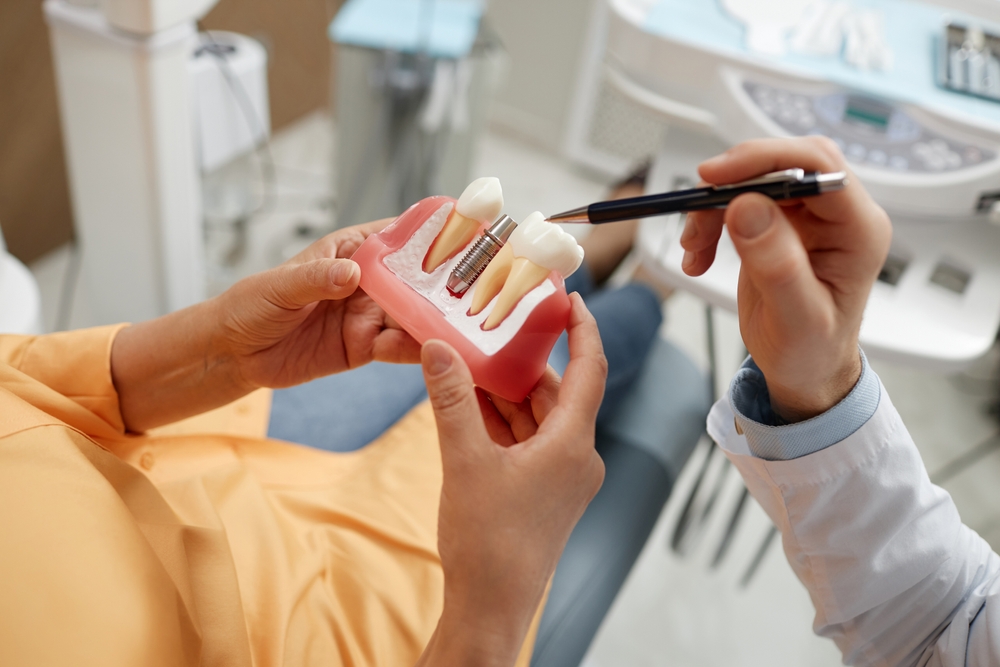
The health of your jawbone is closely linked to the presence of natural teeth. Each tooth root stimulates the underlying bone during daily activities like chewing and biting. When a tooth is lost, this stimulation decreases, and over time, the jawbone can begin to deteriorate. Bone loss in the jaw is a natural consequence of missing teeth and can affect both facial structure and oral function. Patients in Savannah, GA, often have questions about the long-term effects of tooth loss, and Medical Arts Dentistry frequently emphasizes the role of dental implants in maintaining bone integrity.
Bone resorption, the process by which the jawbone gradually loses density and volume, can occur within months of tooth loss. This can result in changes to the shape of the face, creating a sunken appearance around the cheeks and mouth. Beyond aesthetic concerns, decreased bone density can complicate future dental treatments, such as the placement of bridges or dentures. Understanding the relationship between tooth loss and bone health is essential for anyone considering restorative dental options.
How Dental Implants Stimulate the Jawbone
Dental implants are designed to function like natural tooth roots, anchoring artificial teeth directly into the jawbone. This placement provides consistent stimulation to the bone through the forces generated during chewing and biting. By mimicking the action of natural teeth, implants help preserve bone density and prevent the deterioration associated with tooth loss. This is a critical benefit for patients who wish to maintain oral structure and overall facial aesthetics over time.
The material used in implants, typically titanium, is biocompatible and integrates with the bone in a process called osseointegration. This fusion allows the implant to act as a stable support for dental crowns or bridges while simultaneously encouraging the bone to maintain its strength and density. For patients in Savannah, GA, understanding this process highlights why dental implants are considered not just a cosmetic solution but also a preventative measure against jawbone loss.
Benefits Beyond Bone Preservation
Maintaining bone density with dental implants has benefits that extend beyond structural health. Preserved jawbone helps ensure proper alignment of remaining teeth, preventing shifting and misalignment that can result from missing teeth. It also supports a more balanced bite, reducing the risk of excessive wear or strain on surrounding teeth. Over time, these advantages contribute to better overall oral function and comfort.
Additionally, maintaining bone volume supports facial aesthetics. The jawbone provides foundational support for facial muscles, and significant bone loss can contribute to a prematurely aged appearance. Dental implants help maintain this support, allowing patients to retain a natural, youthful facial profile. This combination of functional and aesthetic benefits makes implants a significant factor in long-term oral health planning.
Who Can Benefit from Bone-Preserving Implants
Dental implants can be considered by individuals who have lost one or more teeth and wish to prevent further bone loss. While bone density and general oral health play a role in candidacy, even patients with some bone deterioration may benefit from implants with adjunctive procedures such as bone grafting. Other factors include overall health, lifestyle habits, and commitment to oral care.
- Patients at risk of jawbone loss after tooth extraction
- Individuals seeking long-term stability for dentures or bridges
- Those concerned with facial aesthetics and oral function
Understanding these considerations helps patients in Savannah, GA, evaluate the potential benefits of dental implants as a preventative tool for bone loss.
Dental implants offer more than just tooth replacement—they actively help preserve jawbone structure, support oral function, and maintain facial aesthetics. For residents of Savannah, GA, understanding these benefits underscores the importance of considering implants as part of long-term dental health strategies. Medical Arts Dentistry provides valuable insight into how implants interact with the jawbone and promote overall oral health.
Resources:
Albrektsson, T., & Johansson, C. (2001). Osteoinduction, osteoconduction and osseointegration. European Spine Journal.
Misch, C. E. (2014). Contemporary Implant Dentistry. Elsevier Health Sciences.
Brånemark, P. I., Hansson, B. O., Adell, R., Breine, U., Lindström, J., Hallén, O., & Ohman, A. (1977). Osseointegrated implants in the treatment of the edentulous jaw. Scandinavian Journal of Plastic and Reconstructive Surgery.