Sleep apnea, particularly obstructive sleep apnea (OSA), is a common condition that disrupts normal breathing during sleep. This disorder occurs when the muscles in the throat relax excessively, causing a temporary blockage of the airway. For individuals who experience OSA, this blockage can lead to repeated awakenings, decreased oxygen levels, and fragmented sleep. Snoring is often a related symptom and can be a signal that sleep quality is being compromised. While snoring is sometimes benign, habitual or loud snoring often warrants attention, as it may indicate underlying sleep apnea.
At Medical Arts Dentistry in Savannah, GA, our understanding of sleep disorders extends beyond diagnosis to recognizing lifestyle factors that can significantly influence sleep quality. Proper sleep hygiene plays a pivotal role in managing both sleep apnea and snoring. While treatments such as CPAP or dental appliances are commonly discussed, daily habits and routines that encourage restful sleep are equally critical. Establishing a foundation of healthy sleep practices can enhance the effectiveness of other interventions and improve overall well-being.
What is Proper Sleep Hygiene?
Proper sleep hygiene refers to a set of behavioral and environmental practices designed to optimize sleep quality. It encompasses regular sleep schedules, bedtime routines, and the creation of a sleep-conducive environment. For individuals with OSA or snoring, these practices help stabilize sleep patterns, reduce nighttime awakenings, and can minimize the severity of symptoms. Sleep hygiene is not a one-size-fits-all approach; it requires personalized adjustments to align with each person’s lifestyle, health status, and sleep needs.
Some essential components of proper sleep hygiene include maintaining consistent sleep and wake times, creating a quiet and dark sleep environment, and avoiding stimulants such as caffeine or alcohol close to bedtime. Additionally, limiting screen time before bed and engaging in relaxing pre-sleep routines, such as reading or gentle stretching, can promote the transition into restorative sleep. By prioritizing these habits, individuals with sleep apnea may find it easier to adhere to treatment plans and experience improved nighttime breathing.
Lifestyle Factors That Impact Sleep Apnea
Several lifestyle factors can directly affect the severity of OSA and snoring. Weight management is particularly important, as excess weight can contribute to airway obstruction during sleep. Regular exercise, when performed at appropriate times, not only supports overall health but can also enhance sleep quality. Furthermore, alcohol and sedative use can relax throat muscles excessively, exacerbating apnea events and loud snoring.
Another often overlooked factor is sleeping position. Sleeping on the back can worsen snoring and apnea symptoms, whereas side sleeping can help keep the airway open. Environmental factors, such as room temperature and noise levels, also influence sleep quality. A cool, quiet, and dark bedroom promotes uninterrupted rest, reducing the number of apnea-related awakenings. Incorporating these lifestyle adjustments as part of comprehensive sleep hygiene practices can yield significant benefits for both sleep apnea management and overall health.
Developing a Consistent Bedtime Routine
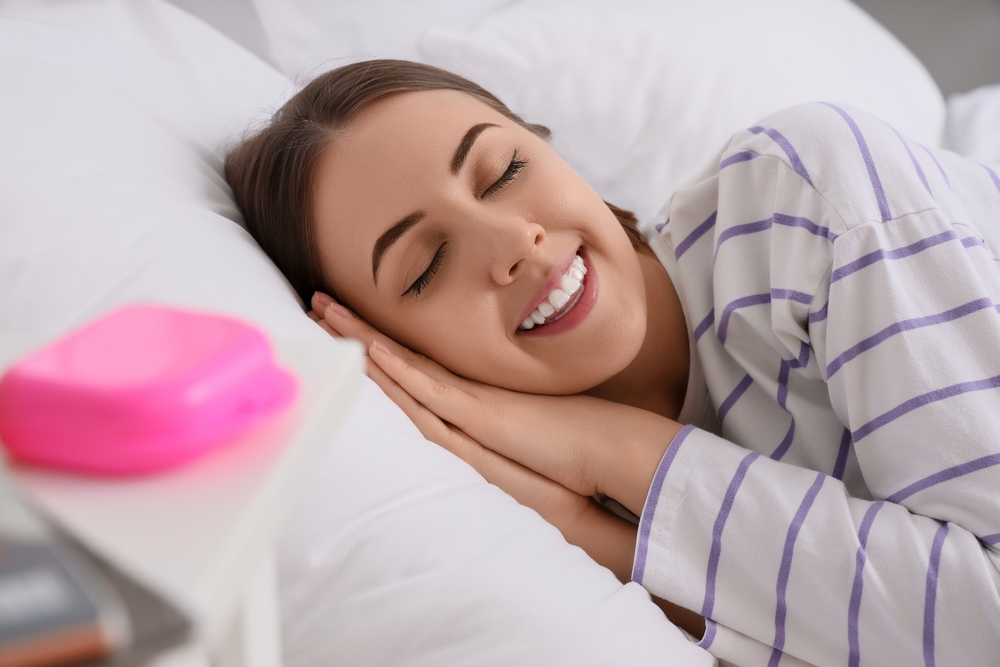
A structured bedtime routine signals to the body that it is time to wind down, helping to stabilize circadian rhythms and promote deep sleep. This routine might include activities such as gentle stretching, meditation, or reading in a dimly lit room. Consistency is key; going to bed and waking up at the same time every day, even on weekends, reinforces the body’s internal clock and can reduce the frequency of sleep disruptions associated with OSA.
Creating a sleep-friendly environment is another critical aspect of a bedtime routine. Using blackout curtains, white noise machines, or humidifiers can improve comfort and reduce triggers that contribute to snoring or awakenings. Attention to bedding, pillow support, and room organization can also minimize distractions and encourage uninterrupted rest. Over time, these small but consistent practices can enhance the quality of sleep and mitigate the impact of sleep apnea on daily functioning.
Benefits of Proper Sleep Hygiene for Sleep Apnea and Snoring
Maintaining proper sleep hygiene has numerous benefits for individuals dealing with sleep apnea and snoring. Improved sleep quality leads to better daytime alertness, mood stabilization, and cognitive function. Additionally, reducing nighttime awakenings and airway obstructions can lessen cardiovascular risks and other health complications associated with untreated OSA. Proper sleep hygiene also supports the effectiveness of other interventions, such as CPAP therapy or oral appliances, by promoting adherence and enhancing comfort.
While sleep hygiene alone may not replace medical treatment for sleep apnea, it is a foundational component of managing the condition effectively. By adopting these practices, individuals can experience fewer symptoms, better overall health, and a higher quality of life. Medical Arts Dentistry in Savannah, GA emphasizes the importance of these habits as part of a holistic approach to sleep health, highlighting that everyday routines can significantly impact long-term well-being.
Key Sleep Hygiene Practices
- Maintain consistent sleep and wake times
- Avoid caffeine, alcohol, and heavy meals close to bedtime
- Create a dark, quiet, and comfortable sleep environment
- Limit screen time at least an hour before bed
- Incorporate relaxing pre-sleep activities such as reading or meditation
- Favor side-sleeping positions to reduce airway obstruction
By focusing on these practices, individuals with sleep apnea or snoring can enhance their sleep quality and overall health. Consistency, patience, and attention to environmental and behavioral factors are essential components of successful sleep hygiene.
Medical Arts Dentistry in Savannah, GA encourages patients and readers to recognize the importance of these practices. While treatments exist to address sleep apnea and snoring, healthy sleep habits remain a cornerstone of managing these conditions and achieving restorative rest.
Resources:
- American Academy of Sleep Medicine. (2020). Sleep Hygiene and Sleep Disorders. Journal of Clinical Sleep Medicine.
- Peppard, P. E., Young, T., Palta, M., & Skatrud, J. (2000). Prospective Study of the Association Between Sleep-Disordered Breathing and Hypertension. New England Journal of Medicine.
- Hirshkowitz, M., Whiton, K., Albert, S. M., Alessi, C., Bruni, O., DonCarlos, L., et al. (2015). National Sleep Foundation’s Sleep Time Duration Recommendations. Sleep Health.